Refill, Reuse, Renew: Craft Everyday Cleaners That Truly Work

Today, we’re diving into DIY refill formulas for surface cleaners, dish soap, and hand wash, focusing on effective ratios, safe ingredients, and real-world performance. You’ll learn practical methods that cut waste, save money, and keep bottles in use, all while delivering satisfying shine, suds, and skincare-friendly cleansing.

Safety, Setup, and Smart Measuring

Gathering Your Toolkit

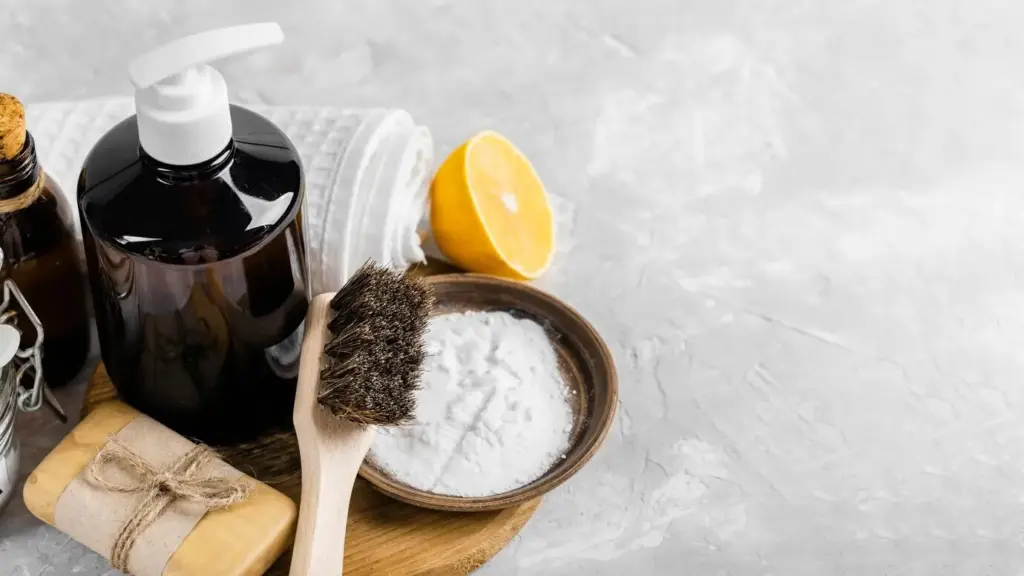
Collect spray bottles with resistant triggers, flip-cap dish bottles, and foaming or liquid pumps. Add a digital scale, pH strips or meter, stainless steel spoon, and a small beaker. Keep isopropyl alcohol for quick wipe-downs, and label tape plus a marker for dates, percentages, and notes.

Understanding Dilution and pH

Effective cleaners balance surfactant strength and skin or surface sensitivity through dilution and pH control. Neutral to mildly alkaline blends tackle grease; mildly acidic blends remove mineral haze but can damage stone. Use strips or a meter, add citric acid dropwise, and take notes to replicate your sweet spot.

Sourcing Ingredients Responsibly

Choose reputable suppliers listing purity, recommended use rates, and safety data. Favor biodegradable surfactants like decyl glucoside and cocamidopropyl betaine, and consider fragrance allergens. Buy small first to test performance, and prioritize distilled water, recycled plastic bottles, and concentrated ingredients that reduce packaging and shipping impacts.

A Sparkling Home: Refillable Surface Sprays

Build sprays that lift soil, evaporate cleanly, and respect delicate finishes. Match formulas to surfaces: glass loves quick-flashing alcohol; stone prefers neutral, non-acidic blends; greasy stoves benefit from boosted surfactants. Always test a hidden area, avoid vinegar on marble, and ventilate while spraying for comfort and safety.

Sink-Side Confidence: Refillable Dish Soap

Design suds that cut oil without roughing up hands or leaving film. You can go castile for simplicity, or build gentle synergy with glucosides and betaine. Avoid mixing strong acids with soap, mind water hardness, and adjust salt carefully to tweak viscosity without compromising cleaning power.

Soft Hands, Fresh Pumps: Refillable Hand Wash

Aim for a silky cleanse that respects the skin barrier. Pair gentle surfactants with humectants, keep pH around 5 to 5.5, and avoid heavy fragrance. With a good pump, modest viscosity, and clean preservatives, everyday washing becomes comfortable, effective, and pleasantly routine for the whole household.

Moisture-Loving Additions

Blend glycerin for humectancy, panthenol for soothing, and a touch of sodium PCA or beta-glucan for cushioning glide. These support skin feel without leaving residue. Start low, evaluate rinsability, and tweak by one or two tenths of a percent until the wash feels plush yet refreshingly clean.

Fragrance That Respects Skin

Sensitive hands appreciate restraint. Consider unscented bases, very low-dose hypoallergenic fragrance, or botanical hydrosols with subtle notes. Patch test scent changes on a small area, and remember that warm water amplifies aroma. Keep the experience gentle, quick-rinsing, and friendly to frequent washing throughout busy, messy, creative days.

Keep It Fresh: Preservation and Water Quality
Water-based products require protection. Work with distilled water, sanitize equipment, and choose broad-spectrum preservatives per supplier guidance. Track usage rates, pH compatibility, and temperature limits. Store in cool, dark places, and refresh small batches regularly so performance and safety stay consistent, dependable, and reassuringly uncomplicated.

When Preservatives Are Essential

Surface sprays, dish refills, and hand washes sit in warm, damp environments where microbes thrive. Use a reputable preservative system compatible with your pH and surfactants. Measure precisely, mix thoroughly, and observe clarity and scent over weeks. Discard immediately if color, texture, or odor changes appear.

Distilled Water and Clean Equipment

Distilled water reduces minerals that cause haze and supports preservative performance. Wipe tools with isopropyl alcohol, allow them to dry, and avoid touching inside bottle necks. Keep funnels, spoons, and pumps dedicated to cleaning projects, and replace them when worn to maintain consistent quality and dependable outcomes.

A Kitchen Story to Inspire

One reader swapped three empties for refills made in twenty minutes, then ran a week-long trial. The glass spray dried streak-free, the dish soap released oil faster than before, and the hand wash felt softer at the sink. Confidence rose, clutter fell, and refilling became a joyful habit.

Set Up a Refill Station

Choose a ventilated shelf or cart near the sink. Add bins for surfactants, hydrosols, and preservatives, plus a tray for tools. Keep towels, gloves, and labels ready. With everything visible and reachable, mixing goes faster, spills are contained, and satisfaction grows with every smooth, repeatable session.

Share, Swap, and Learn

Post your favorite ratios, ask for troubleshooting help, and exchange ingredient sources with neighbors or local groups. Subscribe for fresh formulas, print checklists, and seasonal updates. Your questions guide future guides, and your results inspire continuous refinement that benefits every sink, counter, and pair of hardworking hands.
Xaxovukukazekunemeno
Privacy Overview

This website uses cookies so that we can provide you with the best user experience possible. Cookie information is stored in your browser and performs functions such as recognising you when you return to our website and helping our team to understand which sections of the website you find most interesting and useful.